Navigating Displacement and Inequality along the ML-1 Railway Corridor
17.Dec 2025
Navigating Displacement and Inequality along the ML-1 Railway Corridor Perspectives from Urban Pakistan

Muhammed Toheed
Associate Director
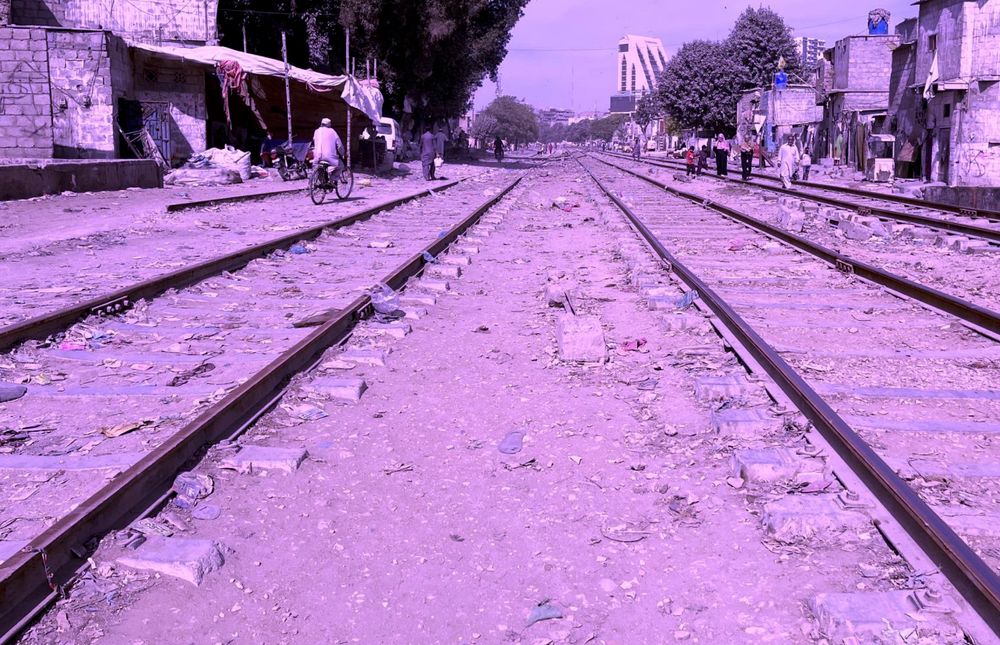
In the realm of mega infrastructure projects, the human costs of development often find itself overshadowed, leaving households in a state of uncertainty and displacement. The Mainline-1 (ML-1) China-Pakistan Economic Corridor (CPEC) project is no exception, echoing the histories of prior initiatives across Pakistan. From the Neelum Jhelum Hydro-Electric Project to the Karachi Circular Railway, the stories resonate with a common thread: the marginalization of the very individuals whose lives are irrevocably altered by such ambitious undertakings. In examining the intricacies of the ML-1 project, this report aims to illuminate the human costs intertwined with its development—the dislocation of communities, the erosion of livelihoods, and the pervasive absence of adequate resettlement frameworks. It is imperative to confront the realities faced by those displaced or left in limbo, as their struggles often become collateral damage in the pursuit of progress. In shedding light on these issues, we seek to advocate for a more inclusive approach to development—one that prioritizes the rights and dignity of affected populations, ensuring that they are not mere footnotes in the annals of infrastructural advancement.
Menu