Land use policy in the peri-urban district as Africa's ‘smart authoritarianism’?
02.May 2025
Land use policy in the peri-urban district as Africa's ‘smart authoritarianism’? Exploring emergent governance challenges in the implementation of a mega real estate project at Konza, Kenya
Published in Habitat International

Catherine Gateri
Senior Research Fellow
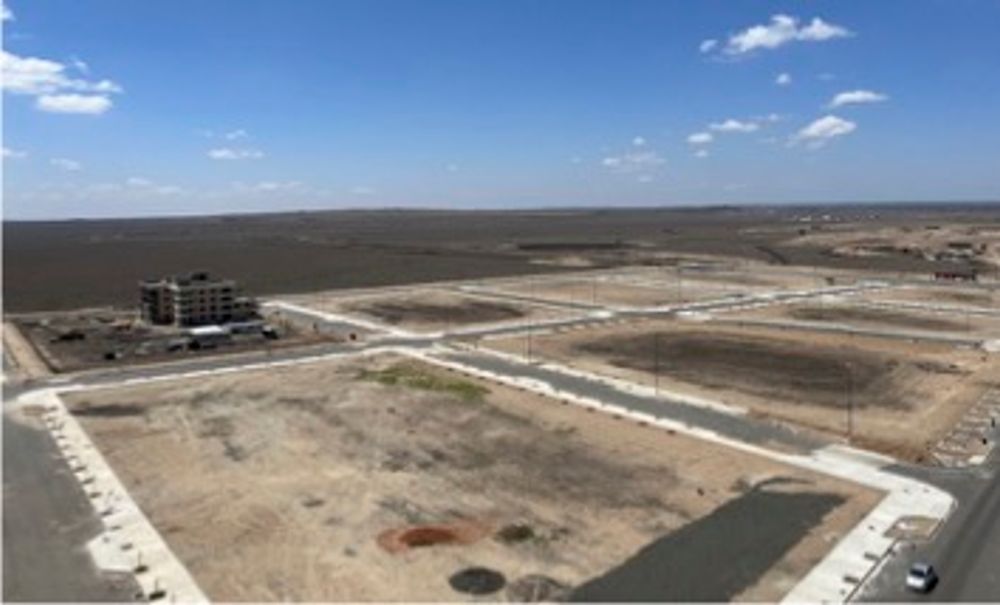
This study embraces the call by leading scholars for a global perspective in the study of peri-urban districts. Consequently, it considers a new phenomenon in African peri-urban districts in terms of smart city development. Using the lens of governance, comparison is made to problems of new city development in peri-urban districts of the south including Asia and Latin America. The planning and development of Konza technology city in Kenya presents a classic example where the state has privileged private capital and smart users of land over the rest of the state actors through peri-urban land use policy. This has generated contestations or governance problems classified under institutional challenges, land market dynamics, physical challenges, and land use change trend. Overall, the study demonstrates that the state's policy and actions to subdue majority subaltern actors in favour of minority capital owners and smart users is undemocratic and is tantamount to ‘smart authoritarianism’ in Africa.
Menu