Corridors of Care
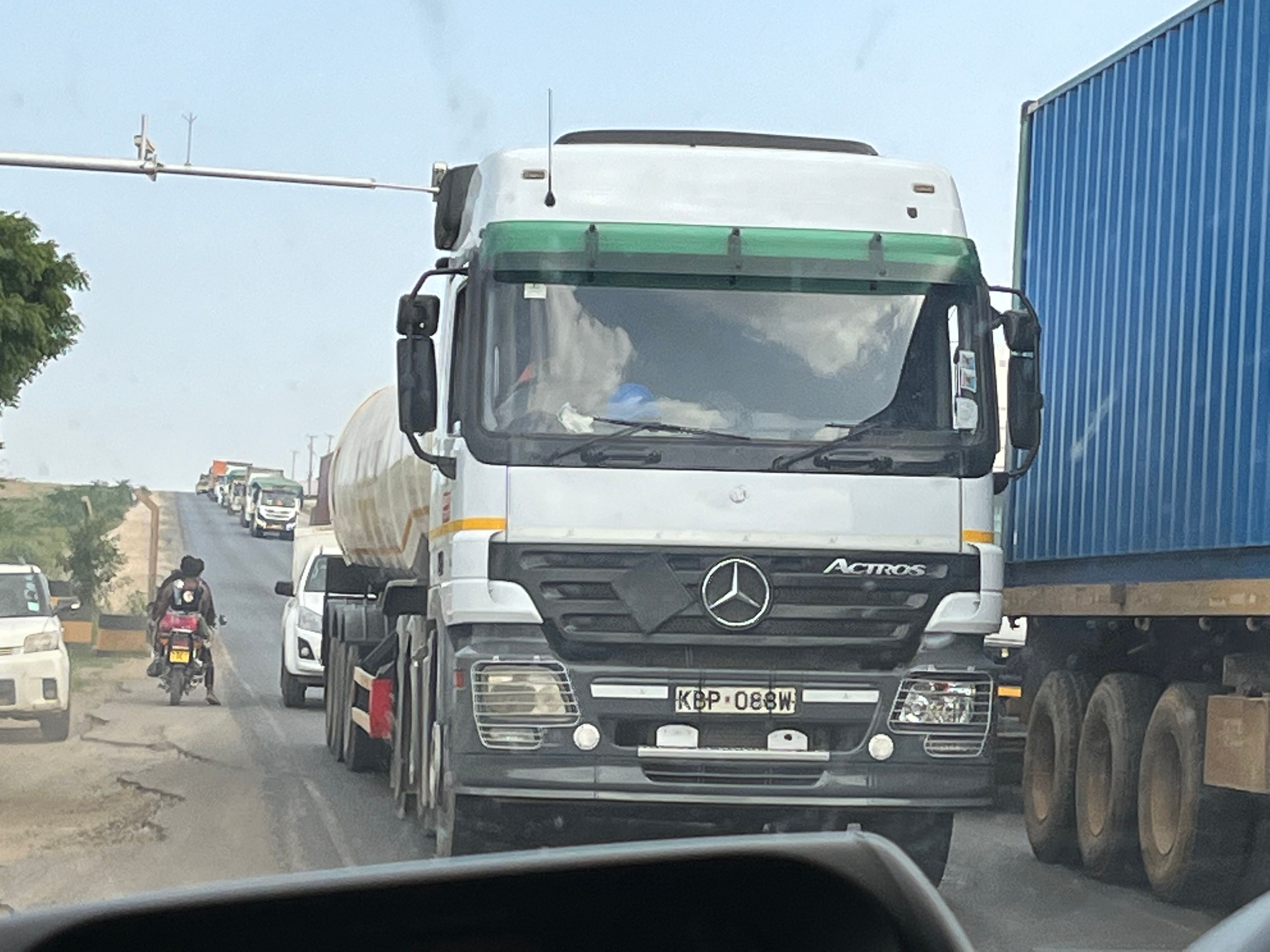
Thousands of long-distance truck drivers traverse East Africa’s Northern Corridor every day. This expansive highway stretches from the bustling port of Mombasa in Kenya, through Uganda, to the South Sudanese border town of Elegu. It serves as a lifeline for trade. However, it increasingly functions as a transmission belt for one of the region’s most persistent public health threats: HIV. Despite years of progress, HIV remains stubbornly entrenched in East Africa. New infections continue to rise in areas of vulnerability, one of the most significant being this very corridor. Long-distance truck drivers (LDTDs) are particularly at risk, with HIV prevalence among them over four times higher than in the general population. Yet, this isn’t simply a story about risky behavior; it is about systems, mobility, and the hidden costs of regional integration. Truckers often spend weeks away from home. They endure long hours, loneliness, and harsh conditions. Along the way, many engage in transactional sex or multiple partnership behaviors, stemming not from recklessness but from circumstance. The roadside stops where they rest are dotted with informal settlements where sex work flourishes in the shadows. These locations are epidemiological & "hotspots" and zones where
new infections cluster and where existing HIV programs often fail to reach.
Unfortunately, our understanding of HIV here remains stuck in the rearview mirror. Most studies focus solely on overall prevalence, which is how many people live with HIV. However, prevalence is a static figure; it reveals how deep the problem is, but not where or how quickly it's spreading. To curb transmission, we need to know where new infections are occurring, and we need that information swiftly. That’s why researchers advocate for the use of Recent Infection Testing Algorithms (RITAs), tools that can determine if someone acquired HIV within the past six months. These tests can aid
us in identifying new outbreaks as they arise and directing our limited resources to where they’re needed most. However, technology alone isn’t enough. Many truck drivers want to get tested, but they can’t. Time pressure, stigma, and a disjointed variety of health services hinder access. A driver who tests positive in Kenya may find that his results aren’t recognized in Uganda. Clinics along the corridor are often underfunded, and cross-border referrals are complicated or non-existent. The result? Lost time in stopping the spread and missed opportunities for treatment. And then there’s the human element. Studies elsewhere have shown that drivers have shared their fear of judgment at clinics, their frustration with long wait times, and their confusion about where to seek help. They want HIV services that respect their privacy, accompany them, and resonate with their reality. We owe it to them and the communities they connect with—to provide that.
The good news is that solutions are within reach: mobile testing clinics, discreet self- testing kits for drivers, digital platforms to securely store results and facilitate cross- border travel, and agreements to standardize treatment protocols across the countries. None of these are revolutionary, but they require coordination, political will, and investment. For a region that relies so heavily on the Northern Corridor for its economic future, neglecting the well-being of those who keep its wheels turning is shortsighted. Truckers are not merely vectors of risk; they can be potential champions of prevention if we provide them with the necessary tools and trust. The fight against HIV cannot be won in isolation. It will be won or lost at the intersections: where trade meets public health, where mobility meets vulnerability, and where data meets action. If we shine a spotlight on these highways not just as trade routes but as corridors of care, we can protect those who travel them and the communities and countries they connect.